Understanding Jueteng: A Closer Look at the U888 Phenomenon
Jueteng, a clandestine numbers game rooted in tradition, holds a significant place in the cultural and social fabric of certain regions, particularly in the Philippines. Despite its illegal status, Jueteng remains pervasive, underpinned by historical, economic, and social factors. In recent times, the term U888 has emerged, becoming synonymous with Jueteng in contemporary discourse. Here, we delve into the intricacies of Jueteng, exploring what U888 signifies and how these elements intertwine.
The Historical Roots of Jueteng
Jueteng's origins date back to Spanish colonial times in the Philippines. It is believed to have started as a game played for recreation among migrant Chinese communities. Over the years, it evolved into a widely-favored gambling activity, deeply entwined with the local culture. This transformation was driven by various factors, including economic necessities and the allure of chance inherent in gambling.
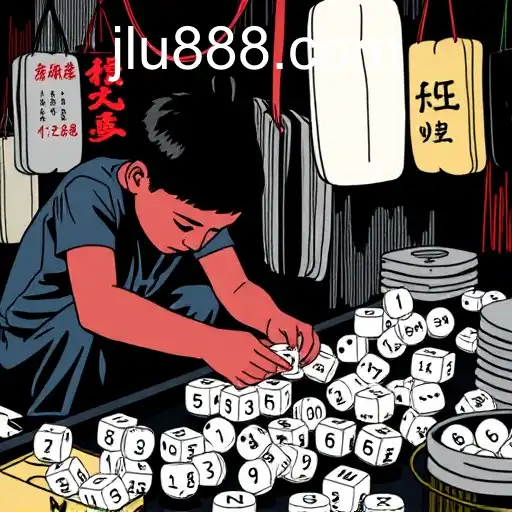
Jueteng is commonly played with a pair of dice or weighted balls, marked with numbers ranging from 1 to 37. Locally known as "bolahan," this game requires participants to bet on a set of numbers, with a comprehensive system of draws determining the winners. Its simplicity and the minimal capital needed to participate contribute to its enduring popularity.
Economic Motivations and Social Impacts
In many communities, Jueteng serves as an informal economic activity, providing income for bet collectors and operators. It also holds the promise of quick financial gain for desperate individuals, fueling its persistent existence. Despite its illegal nature, the game has become intricately linked with everyday life, blurring the lines between legality and survival for many players.
At the societal level, Jueteng's impact is multi-faceted. It provides employment opportunities where few legitimate ones exist while also contributing to societal issues such as corruption. The complex hierarchical network that Jueteng operates within often involves law enforcement officers and local politicians, with the game becoming interwoven with political patronage systems.
Unpacking U888: A Modern-Day Manifestation
Recently, U888 has emerged as a modern iteration of Jueteng, adapting to technology's role in everyday life. While specific references to U888 can often be elusive, it signifies a digital transformation of Jueteng. This evolution allows for a broader reach, catering to different demographics, especially the younger, tech-savvy generation.
Although not much is widely reported or verified about U888, it is believed to improvise Jueteng's fundamental mechanics into a digital platform. Such a platform could theoretically offer more anonymity for players compulsively engaging in the betting practice, making it even harder for authorities to regulate or curb it effectively.
Cultural Significance and Ethical Considerations
Despite its illicit status, Jueteng occupies a unique cultural position. It represents a form of grassroots entertainment and economic activity. The game's persistence highlights systemic social challenges, such as poverty and the lack of viable employment options.
Ethically, Jueteng and its offshoot U888 raise questions about gambling's role in society. As with any form of gambling, addiction and financial ruin are significant concerns. The glamourized notion of an easy win juxtaposed with the grim reality of gambling addiction paints a complex picture of moral considerations and societal duties.
Regulatory Challenges and Further Insights
Crackdowns on Jueteng are frequent, yet enforcement is difficult and often unsuccessful due to the deeply-entrenched networks and local acceptance. The game's adaptability, especially with the shift to digital platforms like U888, makes it an ever-evolving target for law enforcement.
Furthermore, there are ongoing debates on whether legalizing Jueteng might effectively reduce corruption and drive such betting practices into the formal economy. This approach views regulation as a potential tool for oversight, taxation, and, ultimately, economic benefit.
Conclusion
Understanding Jueteng and the emergence of U888 is essential to addressing the socio-economic complexities they symbolize. By examining the historical and cultural roots, alongside ethical, economic, and regulatory aspects, one may better appreciate the nuances associated with these phenomena. The discussion offers a lens into broader societal issues that gambling illuminates, calling for a balanced approach to mitigate its risks while respecting cultural contexts.