



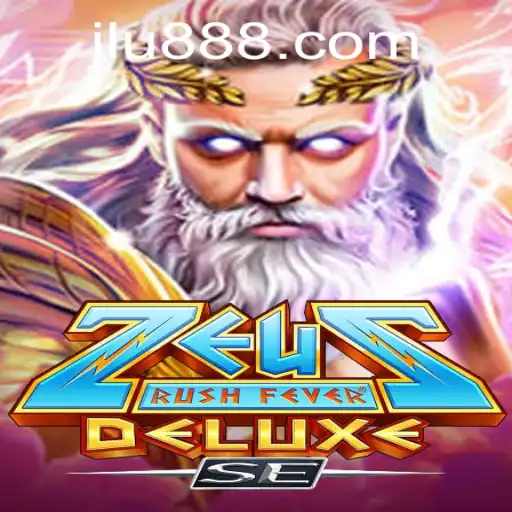

Wrath of Olympus III: A Mythical Adventure in Gaming
In the dynamic world of video games, Wrath of Olympus III emerges as a powerful force, captivating players globally. This game harnesses the mythical allure of ancient Greek mythology, seamlessly blending it with cutting-edge gameplay. The keyword 'U888' has become synonymous with this title, reflecting an enthralling combination of strategy, mythological depth, and modern gaming technology.
Game Description
Wrath of Olympus III plunges players into a detailed, mythical universe, a continuation of its revered predecessors. This installment expands upon the deep narrative and world-building elements that have characteristically defined the series. The game invites players to step into a continuum where gods, heroes, and mythical creatures coexist, offering both seasoned players and newcomers an experience that is as educational as it is exhilarating.
Players assume the role of a demigod protagonist tasked with maintaining the delicate balance of Olympus amidst growing tensions and threats from Titans seeking to reclaim their lost dominion. The game’s graphics are meticulously crafted, transporting players into a realm that feels both familiar and fantastical, with landscapes that echo the ancient tales of Homer and Hesiod.
Introduction to the Game
The game commences with a breathtaking cinematic introduction, setting the scene with a detailed overview of the universe's situation. A delicate truce between the gods and Titans begins to fracture, leading to skirmishes that threaten to escalate into all-out war. Players are briefly acquainted with their character's backstory, a being born of both mortal resilience and divine power, uniquely positioned to mediate and combat the brewing chaos.
The narrative swiftly unfolds, featuring voice acting from a star-studded cast, bringing the mythic personalities to life with authenticity and vigor. Players find themselves aligned with iconic Olympian figures such as Zeus, Athena, and Hermes, each imparting quests that intertwine with the overarching storyline.
Gameplay and Rules
Central to Wrath of Olympus III is its sophisticated gameplay structure. This balance of resource gathering, strategic planning, and real-time combat demands a tactical approach from players. Understanding the strengths and vulnerabilities of different units is crucial; for instance, utilizing Athena’s wisdom can bolster defensive strategies, while Hades’ power might provide offensive advantages during skirmishes.
Levels are designed to challenge both strategic thinking and dexterity, with dynamic battles against mythological creatures — from the fierce Minotaur to the cunning Harpies. Players must adapt to varying terrains, leveraging the geography of ancient Greek landscapes to gain strategic advantages in battles.
Key Rules to Master
- Divine Assistance: Players can invoke the powers of Olympian gods by earning favor points, allowing them to unleash powerful abilities during critical moments.
- Resource Management: Timely allocation of resources, such as ambrosia and ichor, determines the success of construction and army provisioning, influencing the outcome of engagements.
- Character Progression: As players complete quests and engage in battles, they earn experience points to unlock new skills and abilities, essential for confronting increasingly difficult challenges.
- Alliances: Forming alliances with other gods or factions can provide unique bonuses and strategic advantages, although managing these relationships requires careful negotiation and foresight.
Integration with Current Events
In an intriguing twist, Wrath of Olympus III integrates current events into its gameplay mechanics, reflecting the modern world's challenges. Game developers have introduced missions inspired by contemporary issues, like environmental stewardship and diplomacy, allowing players to explore solutions within a mythological context. This approach not only enriches the narrative but also resonates with players who appreciate relevance to today's global climate.
Through limited-time events, players participate in Olympian forums mirroring real-world summits, where they must negotiate peace or devise strategies to combat hypothetical scenarios, honing decision-making skills that parallel real life.
Conclusion
Wrath of Olympus III stands as a testament to the evolving nature of video games, merging historical reverence with modern-day themes. As players navigate its expansive universe, they engage with a thrilling tale that is not only entertaining but also intellectually stimulating.

